
Post hair transplant density protection is not about “growing faster.” Post hair transplant density protection is about controlling variables that damage follicles: friction, contamination, prolonged erythema, and preventable inflammation.
In a post-hair-transplant scalp, thousands of micro-wounds move through hemostasis, inflammation, epithelialization, and early remodeling. Post hair transplant outcomes stay predictable when you keep the surface quiet so the graft beds seal and the follicular units remain undisturbed.
In the first 10–14 days, post hair transplant priorities are mechanical: enforce zero shear force, use clean handling, and manage crusts so the surface closes without disruption.
After week two, post-hair transplant priorities become biological: managing telogen effluvium (shock loss), protecting surrounding native hair from miniaturization, and supporting follicular cycling while the scalp barrier normalizes.
This HairBot MD guide uses clinic language on purpose. Post hair transplant planning should follow surgeon logic: reduce friction, reduce infection probability, reduce prolonged erythema, and avoid anything that increases perifollicular inflammation. Follow these post-hair transplant rules, and you protect early graft stability and protect cosmetic density long-term.
Post Hair Transplant – Rules 1–3 That Protect Density in the First 14 Days
Rule 1 – Zero Friction, Zero Shear (Mechanical Trauma Control)
Post hair transplant healing is vulnerable to shear because the recipient surface is still sealing. Shear comes from rubbing, dragging, and repeated contact, not from one dramatic event. In post-hair transplant recovery, “a little touch” repeated many times becomes trauma.
The technical goal of this post-hair transplant rule is simple: eliminate friction so inflammatory signaling can decline on schedule.
Use this post-hair transplant friction checklist
- Post hair transplant means no fingernails on the recipient zone, even if itching spikes.
- No towel rub; pat dry or air-dry only.
- Avoid tight caps, helmets, or headbands that create repetitive micro-shear.
- Change shirts slowly; avoid fabric scraping over grafts.
- Sleep at a 30–45° elevation early to reduce swelling and pillow contact.
Why this post hair transplant rule protects density, friction prolongs inflammation, increases itch, and triggers scratching. In a post-hair-transplant scalp, that loop is how stable healing turns into prolonged redness and graft-area irritation.
Rule 2 – Hygienic Washing + Controlled Crust Strategy (Epithelialization Support)
Post hair transplant hygiene is controlled cleansing that lowers microbial load without creating shear. Crusts are expected because the skin is closing micro-incisions. The risk is that post-hair transplant crusts become thick, trapping oil and debris, and driving itching that leads to scratching.
A safe post-hair transplant washing workflow follows a staged technique
- Soften: Use a surgeon-approved foam/lotion for 15–30 minutes so post hair transplant crusts release without force.
- Clean gently: Lukewarm water, low pressure. Lather shampoo in hands first, then pat/press. Post hair transplant washing is “press and release,” not scrubbing.
- Rinse thoroughly: Let water flow across the scalp; don’t blast grafts.
- Dry safely: Air-dry or dab with a soft towel; avoid heat and dragging.
Use what your clinic recommends, because post-hair transplant tissue is reactive, and harsh products can trigger irritant dermatitis. Avoid acids, strong anti-dandruff actives, and “home remedies” early unless the surgeon approves.
Why this post hair transplant rule protects density: controlled crust management supports epithelialization, reduces itch, and keeps hands off grafts. Less touching equals better density and a calmer post-hair transplant course.
Rule 3 – Inflammation & Edema Control (Swelling/Redness Discipline)
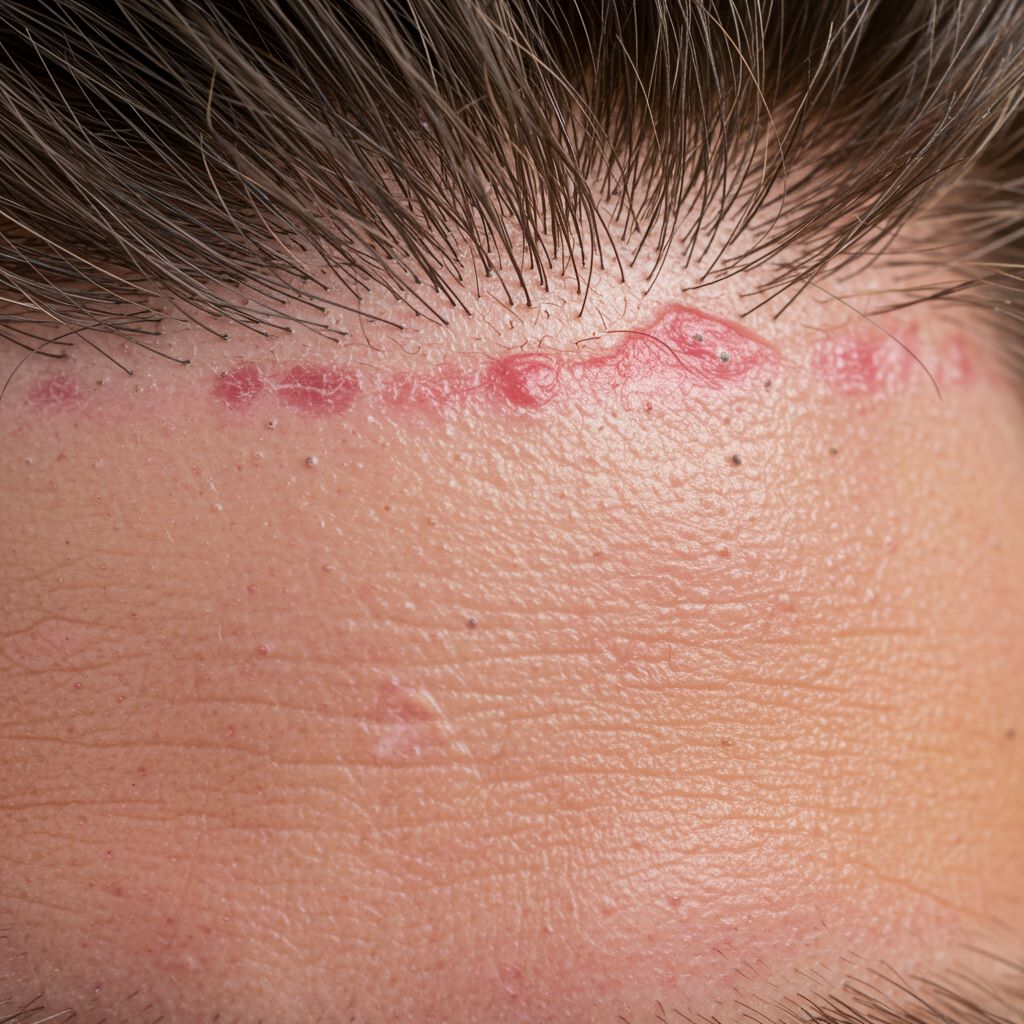
Post-hair transplant inflammation is normal; escalation is not. Post hair transplant target is predictable edema that peaks early and then declines, with erythema that stays localized and trends down.
Post hair transplant swelling can migrate into the forehead and around the eyes; post hair transplant behavior decides whether it resolves quickly or stays reactive.
Practical post-hair transplant controls
- Post hair transplant means follow prescribed meds exactly; do not self-stack anti-inflammatories.
- Cold compress only on the forehead/upper face if advised, never on grafts.
- Avoid heat (sauna, steam, hot showers, direct sun) because vasodilation increases redness and itch.
- Avoid heavy sweating early; sweat adds salt + friction and fuels scratching.
- Hydrate, keep blood pressure stable, and prioritize sleep.
Why this post hair transplant rule protects density, swelling + heat + sweat increases itch and rubbing, which keeps erythema active. Post-hair transplant healing is smoother when inflammation resolves on schedule.
Noticing signs of hair loss? Schedule a HairBot MD evaluation to identify the cause early and get a treatment plan built for long-term hair preservation.
Post Hair Transplant – Rules 4–5 That Protect Density Long-Term (Week 2 to 18 Months)
Rule 4 – Protect Native Hair from Shock Loss and Ongoing Miniaturization
Post hair transplant density is graft survival plus native hair stability. Shock loss happens when surgery stress and inflammation push susceptible hairs into telogen. Post hair transplant shedding can look dramatic, but it is often a cycling event, not graft death. The main mistake is reacting with harsher routines that inflame the scalp.
Use this post-hair transplant interpretation framework:
- Post hair transplant shedding is usually normal when hairs shed without bleeding, without increasing pain, and the scalp surface looks stable.
- Red flags include bleeding, sharp worsening pain, cratered/open sites, discharge, foul odor, or spreading heat/redness.
- Post hair transplant timelines are zone-dependent; the hairline often looks better earlier; crown zones mature later, and can stay patchy longer.
To protect density during shedding, keep post-hair-transplant behavior conservative: restart exercise gradually, avoid harsh styling products, and keep your hands off the scalp.
Why this post hair transplant rule protects density: protecting native hair prevents a temporary shed from becoming a prolonged thinning phase. A stable scalp reduces secondary post-hair transplant inflammation and supports earlier return to normal follicle cycling.
Rule 5 – Maintenance Stack + Follow-Up Metrics (Pharmacologic + Monitoring)
Post hair transplant long-term density depends on stabilization because native hair can still miniaturize. Post hair transplant maintenance is the bridge between healed skin and post hair transplant results.
The goal is to support follicle caliber, reduce inflammatory flares, and track progress with objective metrics instead of daily mirror checks.
A practical post-hair transplant maintenance stack includes
- Medication timing: Restart finasteride and/or minoxidil only when your clinician clears it; post hair transplant, self-starting too early can worsen dermatitis and shedding.
- Post hair transplant documentation: Monthly photos in the same lighting and angle; compare at 3, 6, and 12 months.
- Post hair transplant follow-ups: Check-ins to evaluate emergence, caliber thickening, and density consolidation.
- Complication watch: Folliculitis/pimples, persistent burning, expanding redness, discharge, or increasing pain deserves clinic contact.
Post hair transplant density protection also includes lifestyle discipline, hydration, protein-forward meals, and avoiding scalp irritants.
Thinking about PRP for hair loss? Book a consultation with HairBot MD to see if PRP fits your diagnosis, goals, and long-term hair restoration plan.
Final Thoughts About Post Hair Transplant – Protect Density With Protocol, Not Guesswork
Post hair transplant success is not decided by graft count alone. Post-hair transplant success is decided by whether you protect the scalp during predictable biological windows and avoid the behaviors that create inflammation loops.
In the first 10–14 days, post hair transplant priorities stay mechanical: enforce zero friction, keep washing controlled, and avoid any shear force that can re-irritate recipient sites. When you protect epithelialization and keep crust management disciplined, the graft environment stays stable instead of reactive.
After the first two weeks, post-hair transplant density protection becomes long-term planning. Post-hair transplant shedding phases can temporarily reduce cosmetic density, but that does not automatically indicate graft failure.
The density outcome depends on how well you protect surrounding native hair, control perifollicular inflammation, and use follow-up metrics instead of daily mirror checks.
When indicated, post-hair transplant maintenance therapies and structured clinical reviews support caliber improvement and reduce the pressure of ongoing miniaturization.
If you treat post-hair transplant recovery like a protocol, mechanical protection early, and biological support later, you protect graft survival and preserve density long-term.
Protect your results with precision, not guesswork. Book your HairBot MD post-hair transplant review to follow a surgeon-led recovery protocol that preserves density long-term.
Redefine Hair Restoration – Advanced Robotic Transplant Solutions at HairBot MD
Step into the future of hair restoration with HairBot MD, your trusted destination for precision-driven robotic hair transplant technology. Our state-of-the-art platform combines cutting-edge robotics with expert medical oversight to deliver natural-looking results with unmatched accuracy and efficiency.
At HairBot MD, we specialize in robotic FUE transplants using systems like ARTAS®, offering minimally invasive procedures, faster recovery, and customized treatment planning. Whether you’re experiencing early-stage hair loss or seeking full restoration, our solutions are designed to meet your unique goals with confidence.
Explore our full range of services and discover how we blend science and artistry to deliver exceptional results. Visit our Home, learn more about our approach, or Contact us to speak with a specialist. Ready to take the first step? Get a Free Assessment today and start your journey to hair confidence.
📍 HairBot MD – Your Destination for Robotic Hair Transplant in Cypress, TX
Looking for the most advanced hair restoration solution near you? HairBot MD specializes in robotic hair transplants using the FDA-cleared ARTAS iX system, delivering precision, speed, and natural results.
✅ Address: 17110 House & Hahl Rd, B-2, Cypress, TX 77433
📞 Call Us: (346) 472-2353
✨ Claim Your Free HairBot MD Assessment!
Whether you’re curious about the ARTAS iX robotic system or ready to schedule a free consultation, our expert team is here to guide you through every step of your hair restoration journey.